


Overview: Batticaloa Lighthouse and the City of the Singing Fish
The Batticaloa Lighthouse stands as one of the most recognisable and historically significant landmarks on Sri Lanka's eastern coast. Perched at the edge of Batticaloa's famous lagoon, this whitewashed colonial-era tower has guided mariners safely through the waters off the Eastern Province for well over a century. For travellers exploring Sri Lanka beyond the well-worn tourist trail, a visit to Batticaloa — affectionately called "Batti" by locals — and its celebrated lighthouse offers a genuinely rewarding and off-the-beaten-path experience.
In This Guide
Batticaloa itself is a city steeped in layered history, shaped by Portuguese, Dutch, and British colonial rule, as well as the complex social fabric of Tamil, Muslim, and Sinhalese communities. The city sits on a peninsula flanked by the Indian Ocean to the east and a sprawling inland lagoon to the west — a setting that gives it a distinctive character unlike anywhere else in the country. The lighthouse, located near the old Dutch Fort, anchors the historic heart of the city and serves as both a working navigational aid and a beloved community landmark.
Since the end of the civil conflict in 2009, Batticaloa has gradually reopened to tourism, and the eastern coast has emerged as one of Sri Lanka's most exciting new frontiers for independent travellers. The roads are now excellent, accommodation has improved significantly, and the welcome from locals is warm and genuine.
Local Knowledge: Batticaloa is famously known as the "Land of the Singing Fish." On still, moonlit nights near Kallady Bridge, locals claim you can hear mysterious musical sounds rising from beneath the lagoon waters — a phenomenon that has fascinated scientists and storytellers alike for generations.
Top Attractions Near the Batticaloa Lighthouse
The Batticaloa Lighthouse
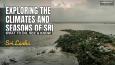
The lighthouse itself is the centrepiece of any visit to this part of the city. The structure is compact but striking — a classic cylindrical white tower that rises cleanly against the blue sky, framed by the shimmering lagoon and the open sea beyond. The surrounding area has a pleasantly unhurried atmosphere, and you'll often find local families, fishermen, and curious visitors gathered nearby, especially in the late afternoon when the golden hour light makes the setting particularly photogenic.
Entry to the lighthouse area is generally accessible to the public during daylight hours, though access to the interior and the top of the tower may be subject to the discretion of the lighthouse keeper and the Sri Lanka Ports Authority, which manages the facility. Visitors are advised to dress respectfully and ask permission politely before attempting to climb. There is typically no formal entry fee, though a small goodwill donation is always appreciated.
- Opening Hours: Generally accessible from approximately 8:00 AM to 5:00 PM daily, subject to operational requirements
- Entry Fee: No formal charge; voluntary donation welcomed
- Best Time to Visit: Early morning or late afternoon for photography
Batticaloa Dutch Fort
Located just a short walk from the lighthouse, the old Dutch Fort is another essential stop on any Batticaloa itinerary. Originally built by the Portuguese in 1628 and later captured and expanded by the Dutch in 1638, the fort is one of the best-preserved colonial fortifications in Sri Lanka's Eastern Province. The thick rampart walls, arched gateways, and mature trees growing within the compound give it a haunting, time-capsule quality. The fort today houses several government offices, which is a uniquely Sri Lankan quirk — history very much still in active use.
Kallady Bridge and the Lagoon
The iconic Kallady Bridge, also known as the Lady Manning Bridge, stretches across the Batticaloa Lagoon and is one of the best spots in the city to experience the famous singing fish phenomenon. As you cross or linger on the bridge at dusk, the view across the lagoon toward the distant treeline is simply beautiful. Boat rides on the lagoon can be arranged through local operators and offer a completely different perspective of the city and its waterways.
Kattankudy Mosque and Cultural Sites
A short distance south of central Batticaloa lies Kattankudy, a predominantly Muslim township famous for having the highest density of mosques per square kilometre in the world. Visiting with respect and an open mind provides a fascinating window into the rich Islamic heritage of Sri Lanka's eastern coast.
Local Tip: For the best unobstructed view of the Batticaloa Lighthouse against the lagoon, walk around to the water's edge just south of the Dutch Fort at sunset. The reflections on the still lagoon water create a stunning mirror image of the lighthouse that is perfect for photography. Go on a weekday to avoid weekend crowds.
Things to Do in Batticaloa
Photography and Sightseeing
The Batticaloa Lighthouse and its surroundings offer some of the most photogenic scenery on the entire eastern seaboard. Between the colonial architecture, the fishing boats bobbing in the lagoon, and the play of light on the water, you will rarely have a dull frame. Bring a wide-angle lens if you have one, as the open skyline rewards it.
Lagoon Boat Trips
One of the most enjoyable activities in Batticaloa is hiring a local fishing boat for a guided tour of the lagoon. These trips typically last between one and two hours and can include stops at small lagoon islands, bird-watching spots, and mangrove channels. Rates are negotiable but expect to pay around USD 10–20 for a private boat depending on duration.
Beach Visits
Batticaloa's beaches, particularly Passikudah and Kalkudah located about 35 kilometres north of the city, are among the finest in Sri Lanka. Passikudah is especially well known for its shallow, calm, turquoise waters, making it ideal for swimming and snorkelling. A half-day trip from Batticaloa to Passikudah pairs beautifully with a lighthouse visit in the city.
Local Food Exploration
The food scene in Batticaloa is one of the great undiscovered pleasures of Sri Lankan travel. Tamil and Muslim culinary traditions blend here to produce dishes you simply won't find anywhere else. Look out for mutton rolls, kottu roti prepared with local spice blends, fresh lagoon crab, and the famous Batti-style fish curry, which uses a uniquely sour tamarind-heavy gravy. The morning market near the bus stand is an excellent place to sample street food and freshly made sweets.
Cycling Around the Peninsula
The flat terrain of the Batticaloa peninsula makes it ideal for cycling. Several guesthouses rent bicycles, and a slow ride around the lagoon's edge, past the lighthouse, the fort, and through the old town's narrow streets, is one of the best ways to absorb the city's character at your own pace.
How to Get to the Batticaloa Lighthouse
By Air
The nearest airport is Batticaloa Airport (BTC), which operates domestic flights from Colombo's Ratmalana Airport via FitsAir. Flight duration is approximately 45 minutes, making this the fastest option for those short on time. The airport is located about 4 kilometres from the city centre, and tuk-tuks are readily available outside the terminal.
By Train
Sri Lanka Railways operates services from Colombo Fort Station to Batticaloa, with the journey taking approximately 8–10 hours depending on the service. While long, the train journey through the Sri Lankan countryside and the Eastern Province is scenic and comfortable in second or first class air-conditioned carriages. Advance booking is strongly recommended, especially during holiday periods.
By Bus
Both private and CTB (Sri Lanka Transport Board) express buses connect Colombo to Batticaloa. The journey takes around 7–8 hours and is a cost-effective option at approximately USD 5–8 per ticket. Luxury air-conditioned coaches are also available and offer a comfortable overnight option.
By Private Vehicle or Tuk-Tuk
Once in Batticaloa, the lighthouse is best reached by tuk-tuk or on foot if you are staying centrally. From the Batticaloa bus stand or train station, the lighthouse is approximately 2–3 kilometres and a tuk-tuk ride should cost no more than USD 1–2. If you are driving, parking is available informally near the Dutch Fort area.
Important: Road conditions and transport schedules in the Eastern Province can be affected by the Northeast Monsoon between October and January. If travelling during this period, check current road and weather conditions before setting out, and build flexibility into your itinerary. Flooding around the lagoon area can occasionally restrict access to sites near the waterfront.
Best Time to Visit Batticaloa
The best time to visit the Batticaloa Lighthouse and the wider Eastern Province is between May and September, when the region enjoys its dry season and the weather is reliably sunny and warm. During these months, the sea is calm, the beaches are at their best, and outdoor exploration is a pleasure. Temperatures hover between 27°C and 33°C (80°F–91°F), with manageable humidity.
The shoulder months of February to April and October can also be pleasant, though travellers should monitor forecasts. The Northeast Monsoon, which affects the east coast between October and January, brings heavy rain and rough seas that can limit beach activities and make some coastal roads difficult. However, visiting during the off-season does have advantages: fewer tourists, lower accommodation rates, and a more authentic glimpse of local life.
Where to Stay in Batticaloa
Budget Accommodation (USD 10–30 per night)
Batticaloa has a growing selection of guesthouses and small family-run lodges catering to budget travellers. Many are located in the Bar Road and Lloyds Avenue areas and offer simple, clean rooms with ceiling fans or air conditioning, often with home-cooked meals available on request. Staying with a local family is common and provides an invaluable cultural exchange.
Mid-Range Hotels (USD 30–80 per night)
Several mid-range hotels have opened or been refurbished in recent years, offering en-suite rooms, reliable Wi-Fi, and on-site restaurants. Properties in this category often include amenities such as air conditioning, hot water, and tour-arranging services. Look for hotels with lagoon views for a particularly atmospheric stay.
Upscale Options (USD 80+ per night)
For travellers seeking more comfort, a small number of boutique hotels and resorts have established themselves in and around Batticaloa, including options near the Passikudah beach area to the north. These offer swimming pools, quality restaurants, and curated excursions, though even the best options here are modest by international resort standards — which is part of their charm.
Budget Guide for Visiting the Batticaloa Lighthouse
Daily Budget Estimates in USD
- Budget Traveller: USD 20–35 per day (guesthouse, local food, tuk-tuks, free/low-cost attractions)
- Mid-Range Traveller: USD 50–90 per day (mid-range hotel, restaurant meals, lagoon boat trip, day excursion)
- Comfortable Traveller: USD 100–180 per day (boutique hotel, guided tours, private transport, dining out)
Key Costs to Budget For
- Lighthouse visit: Free (voluntary donation ~USD 1–2)
- Dutch Fort entry: Free
- Lagoon boat trip: USD 10–20
- Local meal at a small restaurant: USD 2–5
- Tuk-tuk around the city: USD 1–3 per trip
- Day trip to Passikudah: USD 15–30 including transport
- Train from Colombo (2nd class): Approximately USD 4–6
What to Bring
- Lightweight, breathable clothing and a hat for sun protection
- Sunscreen (SPF 50+ recommended)
- Insect repellent, especially for lagoon-side evenings
- A reusable water bottle — staying hydrated in the heat is essential
- Cash in Sri Lankan Rupees — ATMs exist but can be unreliable in smaller areas
- Modest clothing for visiting religious and heritage sites
- A good camera or smartphone with a quality lens for lighthouse photography
- A basic phrasebook or translation app — Tamil and Sinhala are both spoken locally
Frequently Asked Questions
Is the Batticaloa Lighthouse open to the public and can you climb it?
The Batticaloa Lighthouse grounds are generally accessible to visitors during daylight hours, roughly 8:00 AM to 5:00 PM. Access to the interior and the ability to climb to the top depends on the lighthouse keeper on duty, as it remains an operational navigational facility. Visitors who ask politely and dress respectfully are often permitted entry, and there is no formal entry fee.
How do I get to the Batticaloa Lighthouse from Colombo?
From Colombo, you can reach Batticaloa by train (8–10 hours), bus (7–8 hours), or a short 45-minute domestic flight from Ratmalana Airport. Once in Batticaloa, the lighthouse is located near the Dutch Fort in the city centre and is easily reached by tuk-tuk for USD 1–2 from the main transport hubs.
What is the best time of year to visit the Batticaloa Lighthouse?
The best time to visit is between May and September during the dry season on Sri Lanka's east coast, when skies are clear and conditions are ideal for sightseeing and beach activities. The Northeast Monsoon from October to January brings heavy rain to the region and can disrupt travel, though adventurous travellers willing to be flexible can still enjoy a rewarding visit.
What else is there to see near the Batticaloa Lighthouse?
The lighthouse sits close to several other fascinating attractions, including the historic Dutch Fort, Kallady Bridge over the lagoon, and the vibrant local market area. A day trip to Passikudah Beach, about 35 kilometres north, is also highly recommended. Lagoon boat trips and cycling tours of the peninsula are popular ways to explore the wider area.
Is Batticaloa safe for tourists in 2026?
Yes, Batticaloa is considered safe for tourists. Since the end of Sri Lanka's civil conflict in 2009, the Eastern Province has rebuilt significantly and tourism infrastructure has steadily improved. The local population is welcoming to visitors. As with any destination, standard travel precautions apply, and it is advisable to check your government's current travel advisory before departing.


Comments
There are no comments. Be the first!